Ceramics: definition, history and classification
Knowing which family a piece belongs to helps decide how to restore it.
What is meant by ceramics
A ceramic is an object shaped from clay or earth and then fired at varying temperatures.
Firing sometimes leaves the material porous, so that it absorbs water. To prevent this, the surface can be covered with a glaze, which vitrifies when fired and closes the pores.
In 1854, Alexandre Brongniart put forward a classification of ceramics. It distinguishes four main families, presented below: terracotta, earthenware, porcelain and stoneware. A book on the subject can be read online: view the book on Google Books.
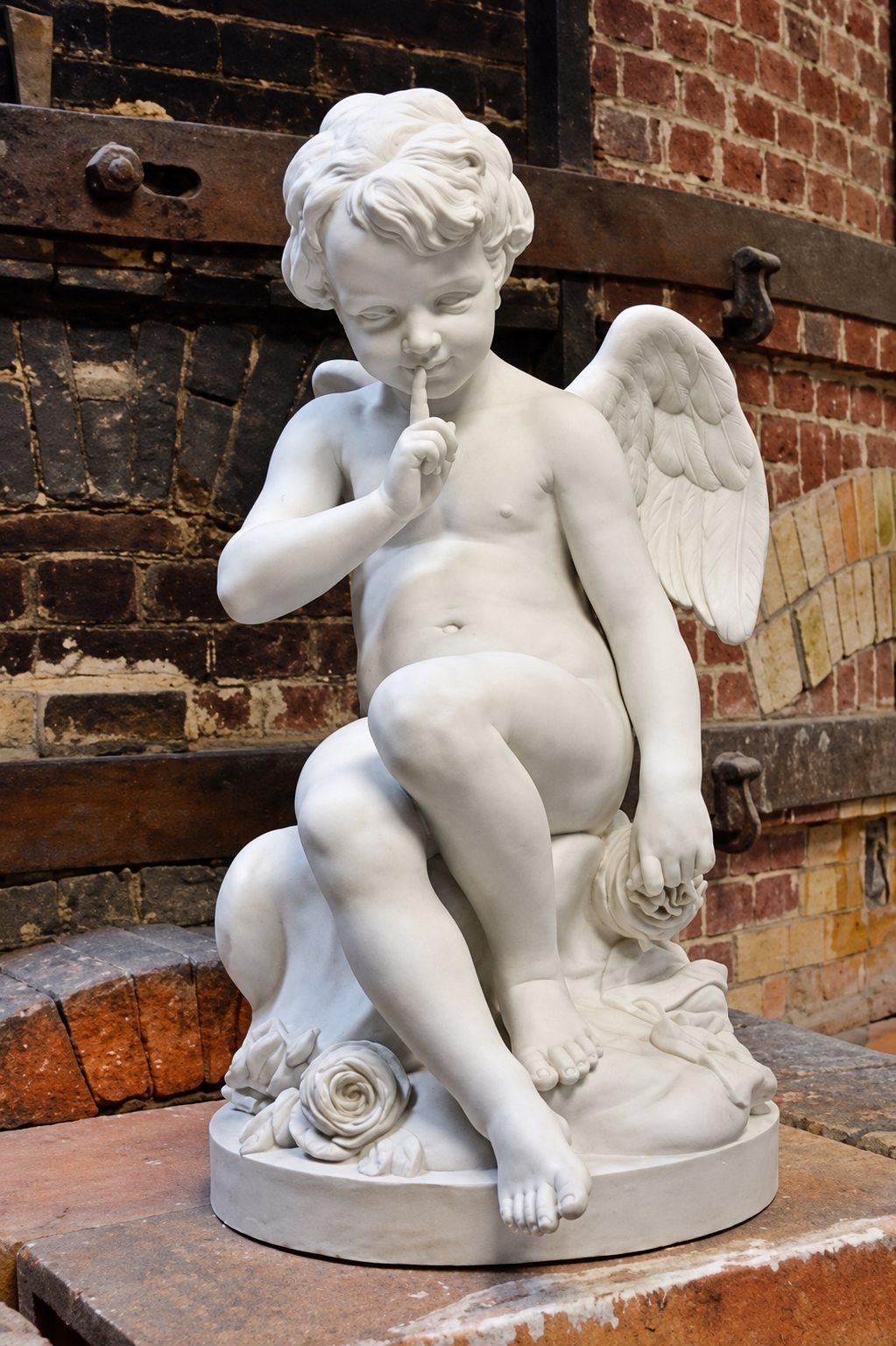
The four families
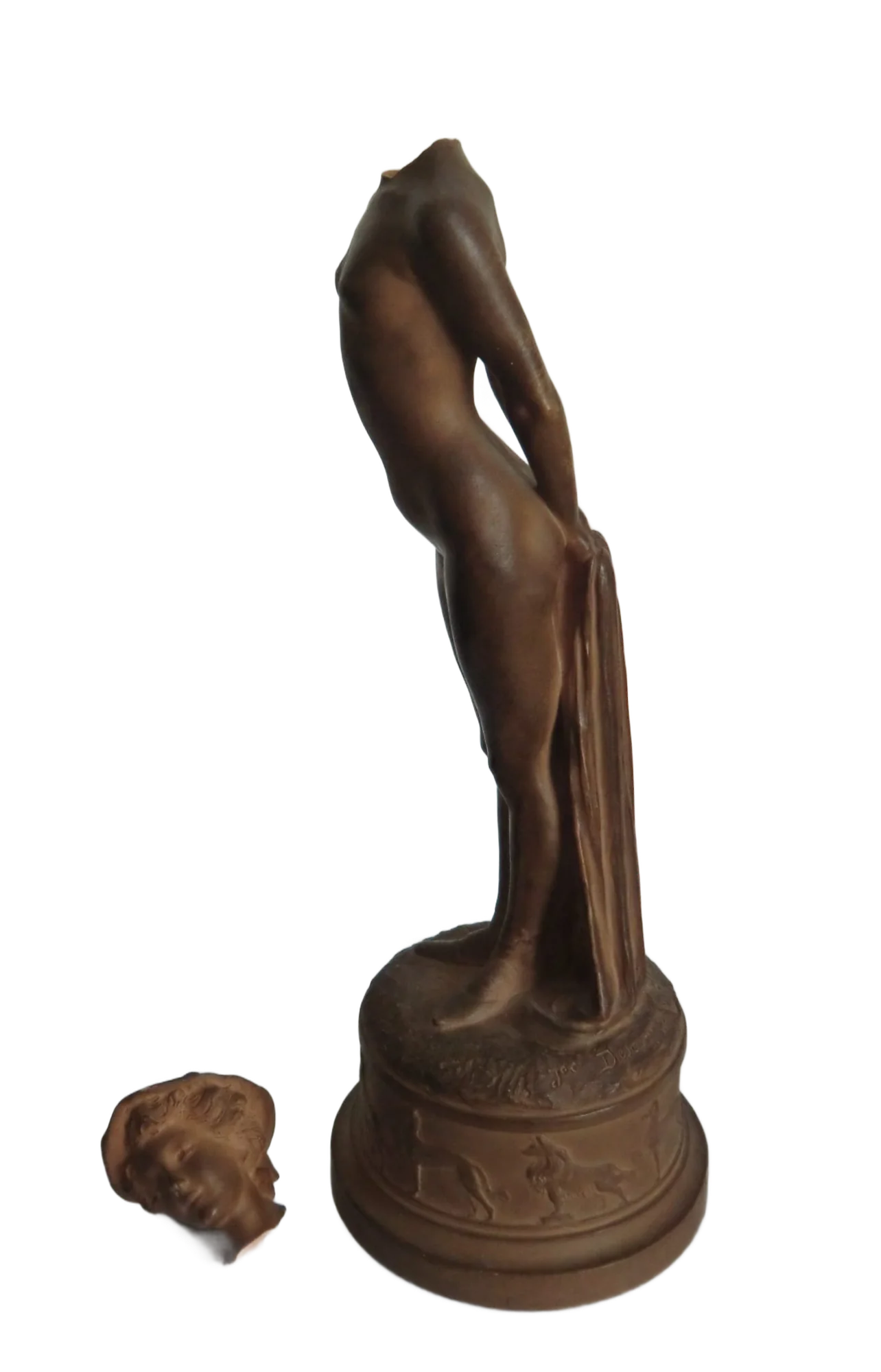
Terracotta
Fired clay, often left unglazed and therefore porous.
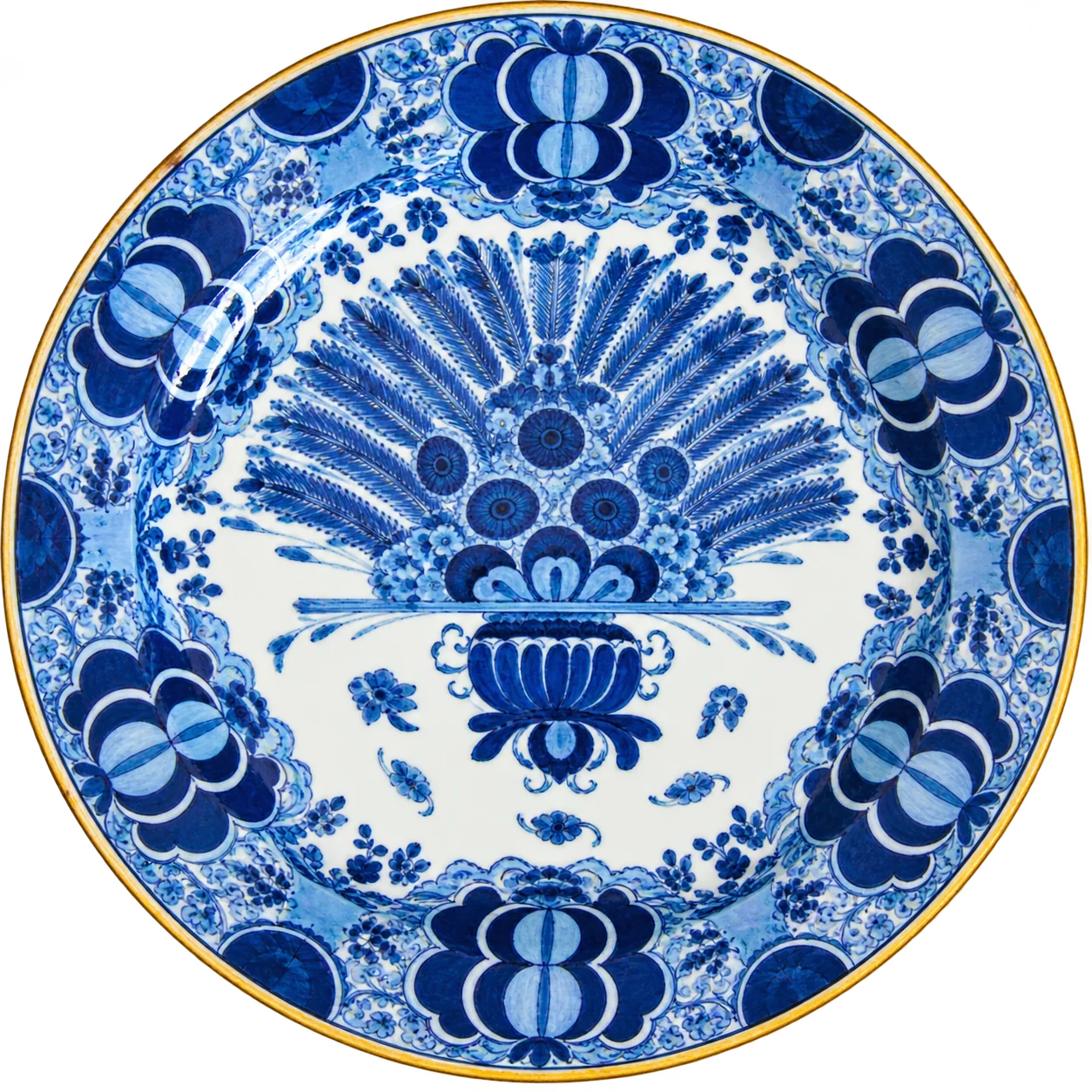
Earthenware
Porous body covered with a glaze that carries the decor.
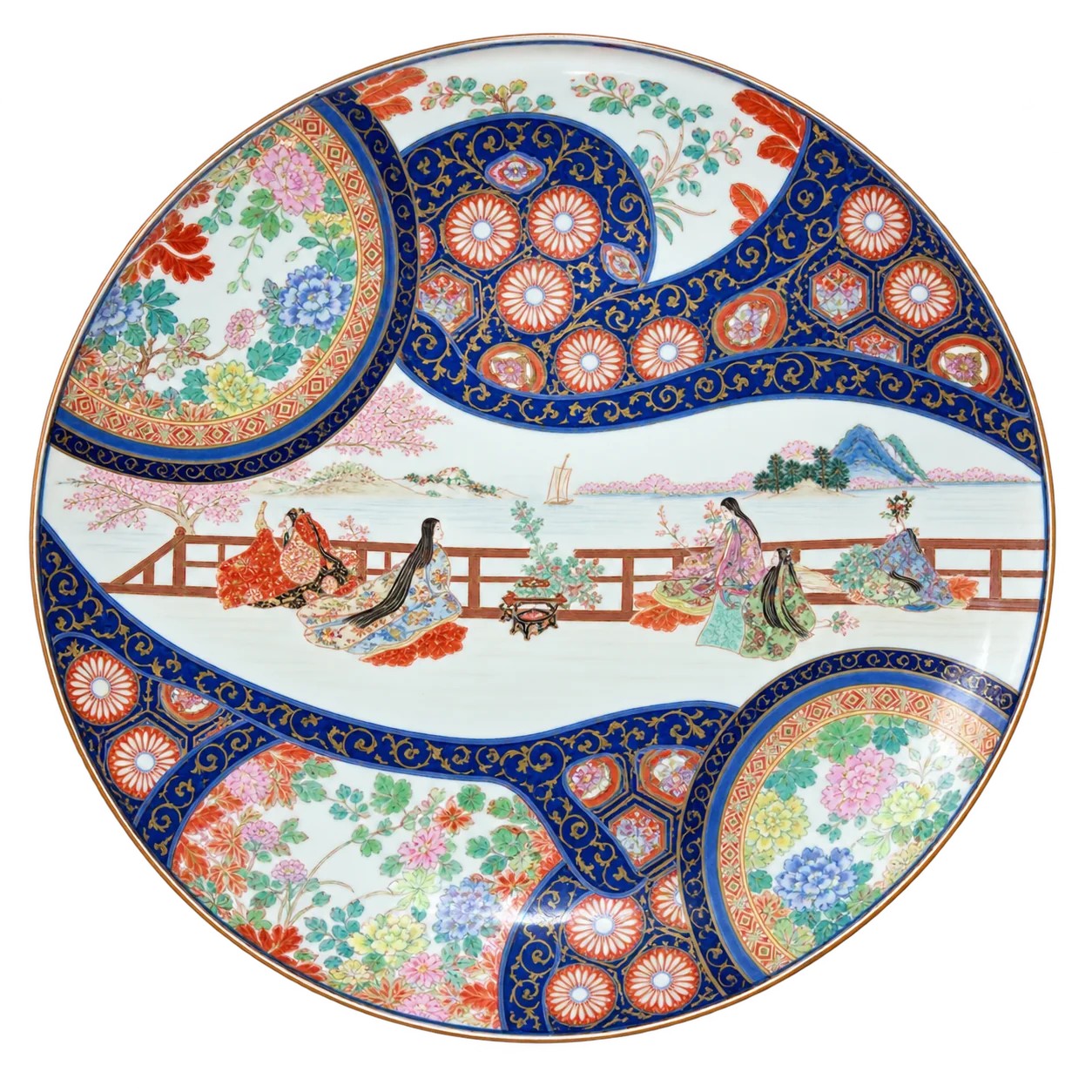
Porcelain
White, fine and hard body, fired at a high temperature.
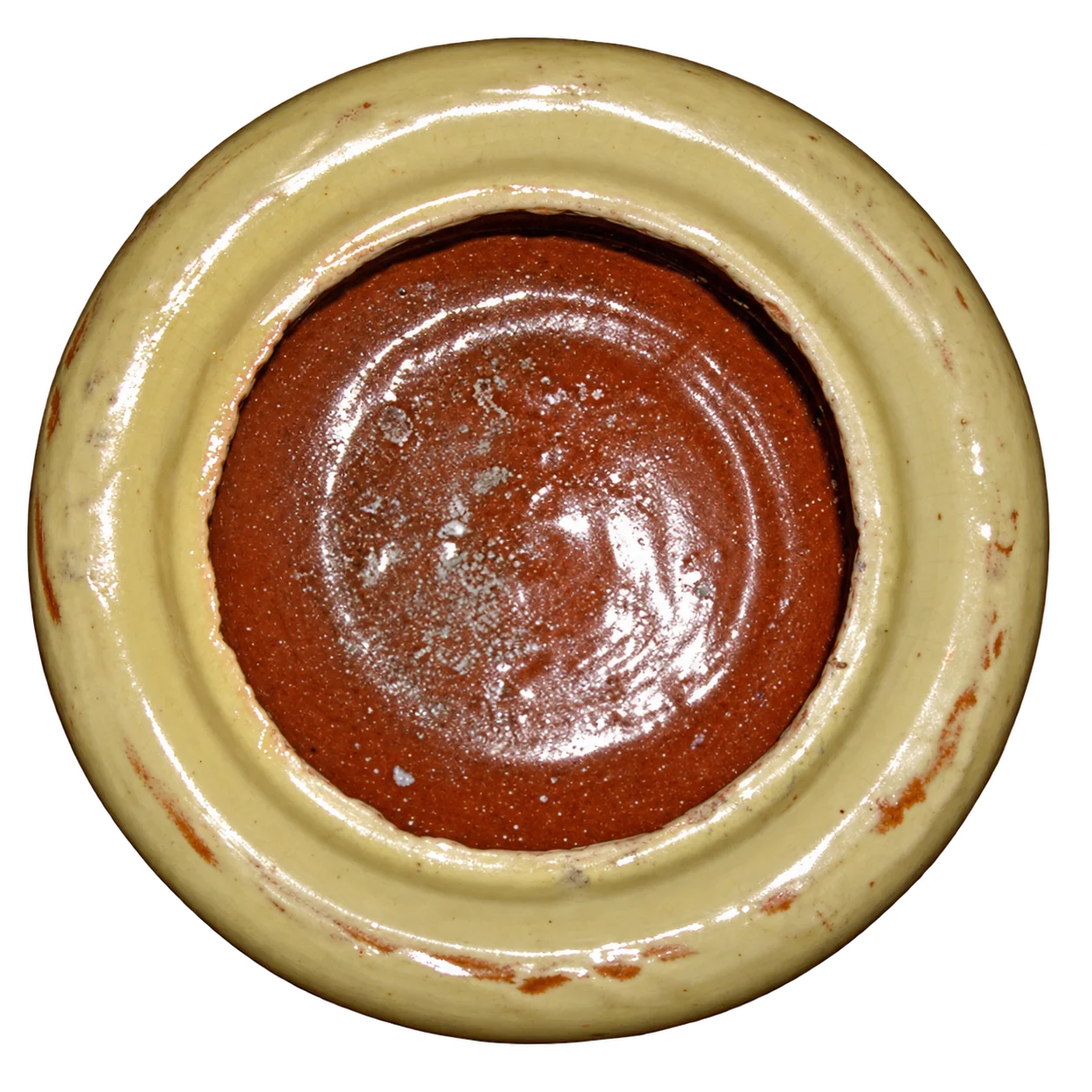
Stoneware
Dense body, fired at a high temperature, often glazed.
A piece to restore?
Send us a photo for a preliminary estimate.